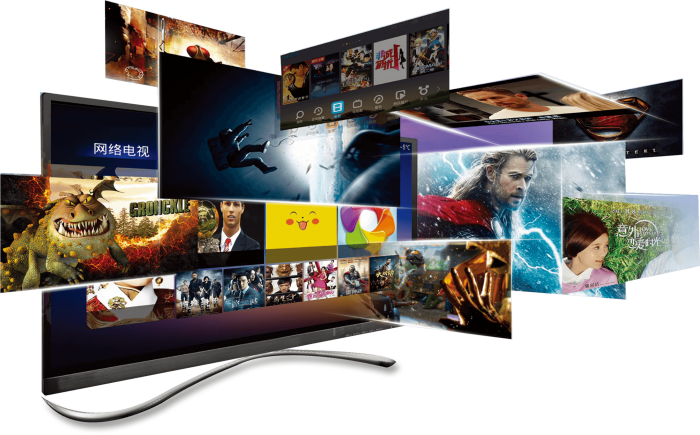
If you are still paying hefty monthly bills for a traditional cable box that runs hotter than a gaming rig in mid-summer, it is time for a home theater upgrade. Cable television had an iconic run, but the era of rigid contracts, hidden equipment rental fees, and regional broadcast restrictions is fading fast. Today, Internet Protocol Television (IPTV) has evolved from a niche alternative into a premier broadcast solution.
As gigabit broadband becomes standard globally, the friction of switching to digital streaming has vanished. However, navigating the modern streaming landscape requires finding a platform that balances deep channel selection with high-availability server architecture, which is why a premium service like xtreme hd iptv is becoming the new standard for home entertainment.
Here is an in-depth look at how next-generation streaming protocols work and why they are dominating the market.
The Shift from Physical Coax to Software-Based Delivery
Traditional television relies on physical infrastructure: satellite dishes, coax splitters, and localized node networks. When bandwidth spikes or regional line damage occurs, signal degradation is inevitable.
In contrast, modern streaming leverages Content Delivery Networks (CDNs) to stream video packets directly through your internet connection. This software-first architecture offers distinct advantages:
- Zero Hardware Overhead: Everything runs directly on your Smart TV OS or media streaming stick.
- True Portability: Your subscription moves with you across smartphones, tablets, and laptops.
- Dynamic Bitrate Adaptation: Advanced streaming servers automatically adapt stream bitrates to match real-time connection fluctuations.
Spotlighting the Industry Benchmark
When analyzing top-tier streaming providers that deliver consistent performance, xtreme hd iptv consistently stands out for its high-performance servers and optimized infrastructure. For viewers making the permanent leap from cable, finding a platform that delivers uninterrupted streams during peak viewing hours is crucial.
Here is what defines high-performance architecture today:
1. Massive Global Content Libraries
While legacy cable packages limit users to regional bundles, elite providers open up thousands of live global feeds. Viewers gain instant access to international sports packages, pay-per-view events, and local network affiliates. Paired with extensive Video-on-Demand (VOD) libraries containing over 60,000 movies and TV series, the need for multiple disparate streaming apps is dramatically reduced.
2. High-Uptime Server Networks and Anti-Freeze Tech
Historically, early streaming platforms suffered from buffering during major live events. Today’s premier services counter high traffic volumes using state-of-the-art Anti-Freeze 10.0 server technology. Because the backbone of an xtreme hd iptv setup runs on dedicated high-speed pipelines, you get guaranteed smooth 1080p and 4K playback even during massive global traffic surges.
3. Integrated EPG and Time-Shift Features
A massive catalog is useless without efficient navigation. Integrated Electronic Program Guides (EPG) format thousands of channels into an intuitive grid display complete with show descriptions and schedules. Additionally, time-shift capabilities allow users to pause, rewind, or stream missed broadcasts on demand.
The Bottom Line
The era of overpaying for restrictive cable packages is officially over. By leveraging modern CDN networks and high-throughput server backbones, digital television delivers superior flexibility and massive cost savings. For anyone looking to truly upgrade their living room, transitioning to an xtreme hd iptv setup is the ultimate way to secure a premium, future-proof viewing experience.
Xtreme HD IPTV 2026 Features and Setup Guide
This video is a great companion to the guide because it provides a direct visual walkthrough of the platform’s 2026 interface, channel library, and Anti-Freeze streaming performance on a real device.